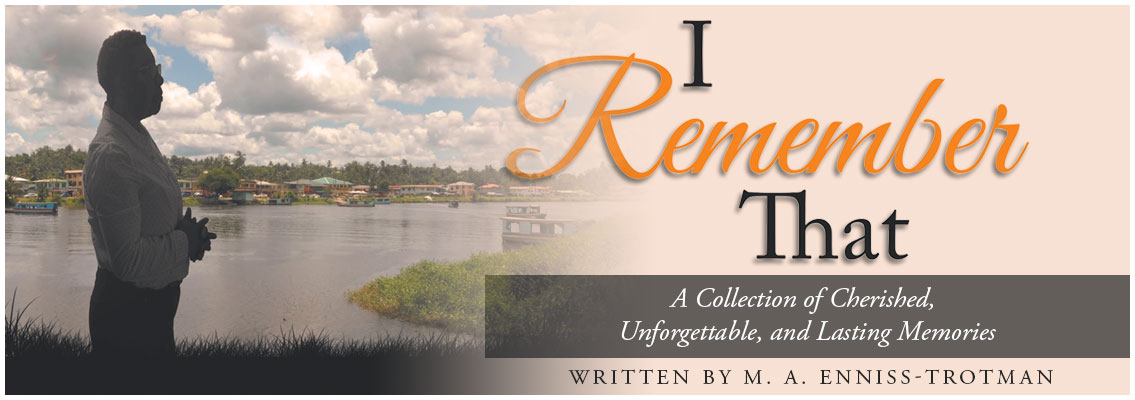

Today is Earth Day and I am delighted to share that I’ve published my first children’s book – Marlee Mallard Keeps Her Home. My career has been rooted in economics and strategic planning—looking at systems, data, and resources and planning how to effectively use them for the best outcomes. However, recently, I took a detour into a different kind of system: the natural world of a mallard duck named Marlee.
I’ve just published in my latest blog post, a behind-the-scenes look at my transition from Economist to Children’s Book Author. It’s a deep dive into the “Rhythmic DNA” of storytelling and why building eco-literacy in the next generation is the most important long-term investment we can make.
If you’ve ever considered a “creative pivot” or wondered how your unrelated skills feed your current work, I’d love for you to join the conversation.
Please also join me for my official book launch and signing events. I would love to see you and endorse copies for you and your precious little ones. Happy Earth Day, 2026! Let’s take care of it! 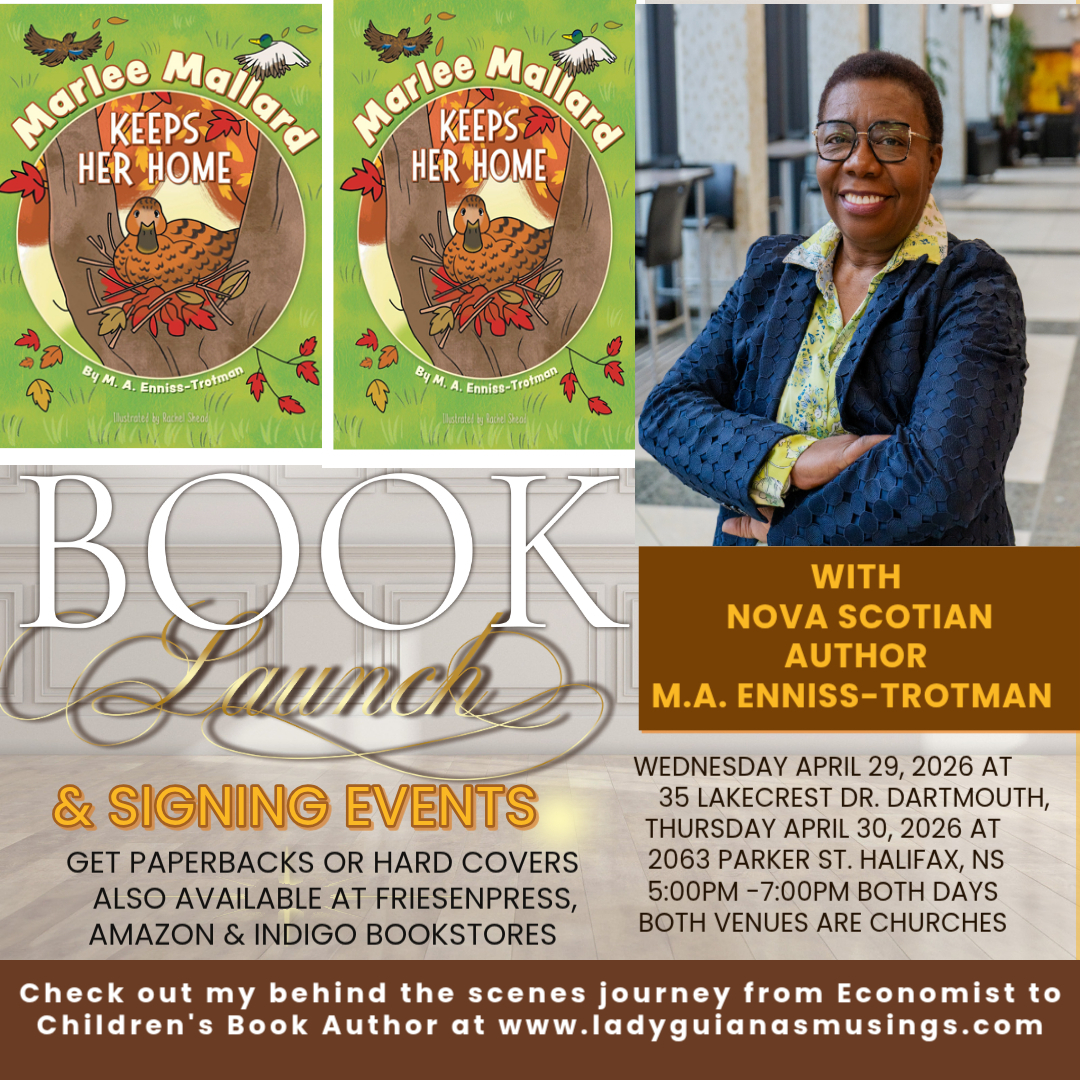
 Writing has always been my quiet hobby that fills my cup in ways nothing else can. Yet, if you had told me a few years ago that I would write a children’s book, I probably would’ve giggled. Not because I didn’t think it was possible, but because it simply wasn’t on my radar.
Nonetheless, that is the wild, beautiful secret of the creative journey: you start in one place, and if you stay open to the nudge, the path unfolds in the most unexpected ways. This month, I am pulling back the curtain on my path to creating Marlee Mallard Keeps Her Home. It’s a project that brought me full circle, and I hope it encourages you to trust your own instincts, no matter how “off-track” they might seem.
The Spark: Listening to the Whisper
If you have ever felt a quiet, persistent tug at your heart—a whisper that refuses to be ignored—then you know how this story begins. I didn’t plan this, but recently, something shifted. A creative spark began to glow, and before I knew it, I was leaping headfirst into a world I had never explored- writing my first children’s book.
I want to share the reality of my writing journey—not just the glossy, finished book cover, but the “messy middle,” the detours, and the joyful surprises. Whether you’re dreaming of your own book or just curious about the anatomy of an idea, I hope this gives you permission to follow your own whisper.
The Origin: Where It All Began
This wasn’t a calculated move; it was a “heart nudge.” I’ve been in a season of transition lately—physically, creatively, emotionally, and spiritually—and through that shift, a calling bubbled up. I wanted to do something that mattered.
An amateur psychologist at heart, I’ve always been curious about how humans tick. I’ve also attempted songwriting (admittedly, with more passion than skill!), but I realized that every story has a heartbeat. I call it the Rhythmic DNA—that invisible flow that connects what we feel to the words we choose. Writing for children shares that same elusive rhythmic DNA—the flow between words and feelings—and weaving complex emotions into something simple, periodic, and powerful.
Last July, I felt the first flicker of an image: a mallard duck named Marlee. She was born from memories of my childhood home, where a pair of ducks, Lonely and her sister whose name I can’t remember now, scrounged in a small shallow pond in the yard, oblivious to the world beyond the water’s edge.
Finding the Story: From Memory to Activism
The story truly clicked during my weekly 3.5km run. One of the man streets where I walked and ran was undergoing rapid housing development. Then one morning , I noticed that a thick grove of trees that always offered me shelter on the final leg of my run was simply… gone. I began to wonder: How would this affect Marlee? What would happen to her when the landscape changes overnight? Where would she nest when her shelter disappears?
Marlee Mallard Keeps Her home became a vessel for something I care about deeply: eco-literacy which teaches children about the economics of nature – that every habitat has value and every loss has a cost. Growing up surrounded by fruit trees and vibrant animal and insect life gave me a natural blueprint for environmental stewardship. I wanted to help children process “eco-anxiety”—the worry that comes with losing habitats—by showing them they have a voice. Accordingly, Marlee evolved from a quiet duck into an unlikely activist, standing up for her forest home alongside her other displaced friends.
The Craft: Writing with Rhythm
Writing a children’s book looks simple but every word must earn its keep. Because I knew the message I had so clearly, the first draft poured out of me relatively quickly. It felt like songwriting—finding the “beat” of the story and ensuring the emotional flow carried the reader forward. Since my sketching skills are non-existent, I knew Marlee and her world would need a professional illustrator to bring visual soul to the page. Researching mallard genders, habitats and mating seasons allowed me to give the illustrator a specific emotional language: I wanted Marlee to look worried, fearful, then excited, and finally, triumphant.
The Ups and Downs: Lessons from the “Messy Middle”
Let’s be honest: the creative process was as frustrating as it was rewarding. There were moments when I wanted to walk away. I struggled with story arcs, agonized over the right words, word counts, and faced the painful task of “killing my darlings”—scrapping characters I truly loved because they were cluttering the message.
Why Scrapping Characters Made Marlee Stronger
In a children’s book, every named character is like a brick in your reader’s backpack. For a young child, too many bricks make the story too heavy to carry. As I dove deeper into Marlee’s world, I realized that I had packed too many characters. Although they had names and quirks I adored, I had to let them go to let the story beathe and take flight.
My “Culling” Criteria:
- The “Mirror” Test: If two characters served the same purpose (like two “wise friends”), I combined them. One strong voice is better than two echoes.
- The “Protagonist” Filter: If a character took the spotlight away from Marlee or solved the problem for her, they were cut. Marlee needed to be the hero of her own fight.
- The “Pacing” Check: If a character required a long backstory that slowed down the story’s “heartbeat,” I removed them to keep the plot snappy and engaging.
Having created a “garbage” pile, I wasn’t afraid of it. Every character I cut taught me more about who Marlee was and acted as the invisible scaffolding that allowed the final story to stand, teaching me some important lessons.
Three Vital Lessons from the Struggle:
- The “Garbage” Matters: Your discarded ideas aren’t failures; they are the necessary experiments that lead you to the truth of your story.
- Stay in the “Now“: It’s easy to get paralyzed by deadlines or the very real financial costs. Breakthroughs happen when you stop looking at the mountain and focus on the single sentence right in front of you.
- Fight the Rush: My “economics brain” constantly tried to optimize and speed things up. But this was a passion project. It deserved a pace that was slow, steady, and—most importantly—real.
What This Journey Taught Me
Your creative journey doesn’t move in a straight line. It zigzags, loops, and pauses, but it always moves—bringing every part of you along for the ride.
The published book “Marlee Mallard JKeeps Her Home” is my most recent “inspiration chapter,” but it is also a reflection of everything that came before it. So, if you’re in the thick of your own process (or just gathering the courage to start), here is what I’ve learned from this wild ride:
- Trust the Pivots: I couldn’t have predicted the timeline or the sequence of this project, but I’ve learned that each shift—each “unexpected detour”—led me closer to what felt true. Let your curiosity lead, especially when it takes you off-road.
- All Skills are Connected: Even the things that seem unrelated are feeding your work. My history with attempts at songwriting gave the book some of its rhythm; my interest in psychology gave the characters their heart. No experience is ever wasted.
- Let the Project Change You: Big projects are meant to stretch you creatively, mentally, and emotionally. Don’t resist the tension. Lean into the growth that happens between the first draft and the final page.
- You’re Allowed to Evolve: You don’t have to stick to one niche forever. If a new world is calling, go explore it. Your past labels (like “Economist” or “Strategic Planner”) don’t limit your future possibilities.
| The Marlee Mallard Family Discussion Guide
A Note to Parents: Planting Seeds of Eco-Literacy Writing about Marlee wasn’t just about telling a story; it was about giving children the language to understand the world around them. In a time where “eco-anxiety” is a real weight for many little ones, my goal is to shift the focus toward eco-literacy. By sharing Marlee’s journey, we can help our children move from a place of worry to a place of wonder and agency. I hope this story serves as a gentle conversation starter about protecting the “quiet groves” in your own neighbourhood. Words for Young Activists Habitat (A Home): The specific place where an animal finds food and shelter. If you were a mallard duck like Marlee, what would your dream habitat look like? Displacement (The Shift): When creatures are forced to leave their homes because the environment changes. How do you think Marlee felt when her trees disappeared? Stewardship (The Care): The act of looking after the Earth, even the tiny parts. What is one small “stewardship”or “earth management” job we can do in our garden this week? Eco-Literacy (The Connection): Learning to “read” the signs of nature and understanding that we are all part of one big team. |
Allowing Creativity to be Personal
One of my biggest takeaways is this: the best work comes when we allow creativity to be both personal and polished. It happens when we stop chasing trends and start listening to what lights us up—when we finally make space to respond to those “little nudges” and persistent whispers.
I’d love to hear from you:
Have you ever had a ‘heart whisper’ lead you toward an unexpected project? Or, if you’re in the ‘messy middle’ of something right now, what is one lesson your journey is teaching you? I would love to hear your thoughts.
 February is a month with several unique awareness and observances such as Narional Self-Check month. Self-Check isn’t selfish. It’s one way to increase the odds of avoiding chronic disease and other preventable conditions like cancer, heart disease, diabetes, and obesity – conditions that are often preventable and treatable if found early enough.
WHY SELF-CHECKS MATTER
We all have our reasons for avoiding a checkup or self-check. We’re too busy. We don’t want to know the truth. Or, it just slipped our minds. National Self Check Month brings to your fingertips a variety of self-empowering and proactive early detection and preventative resources and tools to guide us through healthcare-related fears and concerns.
When you prioritize self-checks, you are investing in your own health and reducing the strain on healthcare systems. This is especially important in today’s world, where resources are often stretched thin.
CHECK YOURSELF
February is the time to do your important self-checks and/or visit your healthcare professional for a wellness check. Before you go, make a list of any concerns you may have. Include in your concerns a reminder to check on your emotional and mental health and overall well-being.
Here are some simple questions and ideas you can use during your self-check.
- Ask yourself how do you feel in this moment and how long have you felt that way? Run through every emotion you can think of, from anger and embarrassment to love and compassion.
- When experiencing or recalling a feeling, recognize how your body reacts to that feeling. Do you clench your teeth or find yourself smiling? Did your heart start to pound or did your body relax? From happiness to shame, and everywhere in between, emotions can manifest with physical reactions.
- Ask yourself if you’ve had any recurring thoughts or if your mind keeps replaying a particular encounter or conversation? Think about how you feel each time the recurring thought occurs. Does the emotion dissipate or intensify with each recurrence?
- Have you been worrying lately? If so, ask yourself if there is something you can do to change what you’re worrying about?
- Take stock of what you’re doing for enjoyment and relaxation.
- Ask yourself if you’re eating well, moving and sleeping well.
- How often do you rely on substances like alcohol, drugs or cigarettes to deal with emotions?
REMIND OTHERS TO CHECK THEMSELVES
Maybe you are proactive but someone else in your life may not be. National Self -Check Month gives you an opportunity to sit down with a loved one to share your concerns and point out ways to better health. By dedicating time to self-checks, you are improving your own health and setting an example for those around you.
REFLECT AND ACT
As you celebrate Self-Check month, let’s embrace the love we have for ourselves, our loved ones, and our communities. Let’s commit to regular self-checks, educate ourselves about potential symptoms, and take proactive steps toward better health. After all, self-care is the foundation of a happy, healthy life.
Remember, self-check is a part of self love, and it isn’t selfish.
After taking a short break for the summer, I’m back to share the third installment of my series Life Lessons from My Favourite Things.
Open the golden, shiny wrapper and you will discover Ferrero Rocher, a chocolate of chocolates, and my favourite in the whole wide world. I love to pamper myself with them. According to Wikipedia, Ferrero Rocher, a bonbon chocolate, was introduce in Italy in 1979 and in other parts of Europe in 1982. Michele Ferrero, the credited inventor, named the chocolate after a grotto or cave in the Roman Catholic shrine of Lourdes, Rocher de Massabielle. Together with Ferrero, the company name, ‘Rocher’ is the French word for a rock or boulder.[1]
Each Ferrero Rocher ‘rock’ is made up of a whole roasted hazelnut encased in a thin wafer shell filled with hazelnut chocolate and covered in milk chocolate and chopped hazelnuts -a yummy multi-sensory experience. Thanks to its extraordinary taste, and experience and its one-of-a-kind packaging – big golden eggs, bars, and various options of package pieces – Ferrero Rocher is a symbol of celebrations across the world, perfect to show your loved ones how much you care or make moments golden and memorable.
In a world filled with processed foods and obtuse wisdom, this ‘sweet rock’ reminds me many desirable things:
- God’s Word: described as pure, golden, and luxuriously sweet, conveying delight, satisfaction and fulfilment.
- God’s Wisdom: depicted as sweet, and offering hope and a positive future to those who seek for it and find it.
- God’s Presence: a place of quiet rest and a desirable experience for those who love him, want his friendship, and seek live in obedience to his commands.
- Kind and Edifying Speech: sweet words that are like honeycomb’ pleasantness to the soul, a pure heart, and a source of healing and encouragement for others.
- Kind and Caring Actions: Christians are encouraged to show sweetness through actions of kindness, compassion, and love towards others.
- Joy and Pleasure: from being in the presence of a lover that brings pleasure and pleasant conversation.
- God’s Salvation: the sweetest gift of all that’s offered though Jesus Christ which brings us forgiveness, eternal life, and a relationship with God (John 3:16).
- God’s Kingdom: a promised place of sweetness, where there will be no more pain, sorrow, or suffering (Revelation 21:4). This is the ultimate sweetness that we can look forward to as believers. I can’t wait to be there with the sweet Rock of Ages, Christ Jesus, my Lord.
[1] https://en.wikipedia.org/wiki/Ferrero_Rocher
This second instalment of my series Life Lessons from My Favourite Things is about rocks. Yes, rocks. According to National Geographic, the definition of rock to a geologist is “a natural substance composed of solid crystals of different minerals that have been fused together in a solid lump.” Based on their formation, this fusion of different minerals assembled in various patterns and textures makes each rock a work of art.
I love rocks. I was one of those children who collected small rocks from a road or country path that caught my eye, drawing me to them. In a weird way, I never grew out of collecting rocks. On many trips, I would set my eyes on a piece of these inanimate, cold fragments of earth whether igneous, sedimentary, or metamorphic, and it would become my trip souvenir.
Why do I love rocks?
They have a natural and unique beauty – no two rocks are exactly alike. Their colours, forms and textures hold a deep mystery and create a sense of wonder and fascination. Natural rock formations are among the most beautiful, incredibly scenic places of the world.
Rocks also offer a grounding sense of connection to nature that helps people feel rooted and calm, and can be used as inspiration for art, sculpture, and other creative endeavours. In an almost weird way, I find them calming and soothing, especially the smooth ones that were weathered by water erosion.
Beyond the physical aspects, rocks collecting provides a deep connection to the natural world. Holding these bits of geological treasure in your hands gives you an intense connection to the Earth’s history and a timely reminder of the incredible forces that have shaped our planet over thousands of years.
It seems fitting that I now have a small collection of rocks in a basket in my living room. Finding those rocks was definitely not an easy task, if you are a rock lover like me. I have a few specific criteria for picking my choice rock. It must be the right shape – not too large because I have to take it back home, and have some interest in colour and mineral formation. This criterion helped me pick my most prized piece of quartz that still brings me joy decades later.
Several years ago, my youth group and I painted “Prayer Rocks” as Saturday evening social activity where we wrote down Bible promises to support what we prayed for in our lives at that time. It felt really good to write down words of hope on something so solid that helped them look even more beautiful.
Rocks and stones have been used for as long as time to build foundations and all other types of lasting structures. I have often thought that some people are like rocks, dependable, steadfast, and loyal. Jesus taught his disciples that they would be considered as wise if thy built their houses on the rock, literally and spiritually. When the storms of life come, your house would stand firm, and who doesn’t want that?
As we start spring 2025, I am starting a new blog series: Life-Lessons from My Favourite Things that I hope would take me to the end of the year. To kick of this series, I want to share some lessons about shoes. If you know me well, you’d know that I love shoes: all kinds of shoes – sneakers, sandals, flats, heels, boots; leather, patent, canvas – you name it. You can call me a shoe-aholic.
Why do we NEED shoes or do we just WANT them; or is it both – we NEED and WANT them. I am agreeable to the last option because of a few reasons.
Shoes are needed because they offer protection from the elements: cold, heat, rain, and snow. They also shield our feet from sharp objects and potential injuries like cuts, scrapes, and punctures. We also want proper shoes because they can help prevent fungal infections and other foot problems.
In 2022, to fill global needs, an estimated 21.9 billion pairs of shoes were consumed worldwide. This translates to roughly two pairs of shoes per person on the planet.[1]
Life Lessons from Shoes
Shoes, while seemingly mundane, can offer valuable life lessons about self-expression, personal growth, and overcoming challenges. They can also symbolize our journey, identity, and the importance of taking steps, both literal and figurative, towards our goals.
Here are some life lessons we can learn from shoes:
- Comfort and Fit are Important
My love of shoes stems from a desire to wear footwear that fit properly which is crucial for foot health and to maintain overall well-being. We all know that just as a poorly fitting shoe can cause pain and discomfort, relationships that don’t fit our values and goals can lead to unhappiness.
I admit that a few times I made the mistake of buying a pair of shoes based only on looks or appearance without checking to see whether they are comfortable for standing and walking. Similarly, we need to find activities and relationships that fit us well, and surround ourselves with people and things that are supportive and that bring true happiness.
We must also remember that people can appear one way – cool and friendly – on the outside but be different on the inside – prickly, critical, and untrustworthy. Yikes!
- Good Shoe Care Matters
I take good care of my shoes to make them last. I clean and polish them after each season change, especially winter and spring when they get covered by grime, salt, and water. I also keep them in boxes when they are not in use to keep away dust and to maintain the original shine.
In like manner, we should keep cleaning and polishing ourselves both physically and mentally so we could shine, remain desirable, and to ensure our relationships last. So, the next time you feel down and unmotivated, remember this shoe-lesson: Make sure you don’t let the scum from outside rot you out and make you smelly and stinky. Keep wiping the dirt away to remain clean.
Shoes are also a symbol of walking along various pathways as we journey through life. The path we take is often more important than the end goal so we should focus on the process of living, learning, and growing throughout our lives.
- Embrace your Imperfections
It’s odd that we use much of our time to take stock of our weaknesses and imperfections. We think that we are less than or not as great as the person next to us. Then someone comes along and genuinely appreciates us and heaps praise on our heads, and what do we do? We try to push them away with our own negativity.
Likewise, no shoes are perfect. Some shoes are good and some are bad but we wear them, nonetheless. So, just as there are good shoes and bad shoes, we can learn from good and bad people; from good and bad situations; from positive and negative experiences, as well as from successes and failures. So, learn from shoes and embrace your imperfections and learn from your mistakes.
- Stay Grounded
It doesn’t matter whether your shoes are cheap or expensive, branded or local, custom or mass-produced, they always have to remain beneath your feet, and on the ground. In like manner, we should never forget our true place. It doesn’t matter how successful we become; how much money we have, or how famous we get, we must never forget our roots or from where we came. This ensures we stay humble and firmly grounded like our shoes.
- Beware of the Footprints You are Leaving
Just as shoes leave a footprint on the ground as we walk, we leave our own mark on the world in his journey called life. In the book of Ephesians, chapter six, and verse fifteen, the Bible counsels that a Christian must have “feet shod with the preparation of the gospel of peace.”
This phrase, part of Paul’s description of the “armour of God”, is symbolic of a Roman soldier’s equipment, and is used to show how the component parts of the Christian’s spiritual body armour work together.
More especially, the expression “shod feet” means to wear shoes. A soldier’s shoes are designed to grip the ground firmly, even when it’s slippery. Similarly, having the gospel of peace fitted into your shoes allows us to make various footprints: we stand firm in our faith; we share with others the good news that salvation comes only through Christ’s sacrificial death on the cross; and we fight for what’s true and right. However, shoes not only prepare us to share the gospel of peace but show that one is at peace with God.
- Maintain both Sole and Soul
You must have heard the saying, “There is always room for another pair of shoes.” This saying is true for a few reasons: Shoes may wear out failing to provide adequate support and protection. We need specialized ones for athletics and other sporting activities, and for special events like weddings and graduations. We also need different types of shoes for a particular activity (e.g., we need rubber boots to wade through water or mud).
The shoe sole is one of its core elements without which the shoe won’t be able to sustain itself for long. As such, we replace our shoes when their soles fail. Similarly, chapters of our lives end as happens when a friendship or marriage fails or when someone retires from a job or dies.
Learning to embrace the wear and tear of life can build resilience and make room for new beginnings. As souls, we must also take care of our real selves as we live on this earth and to prepare for eternity. To protect body and soul, we must be spiritually strong to face the highs and lows of the Christian life.
Finally, like our shoes accommodate growth with an increase in age and size, we too can grow in Christ through the study of God’s word, prayer, and witnessing. So, don’t rot and die. Abide in Christ, grow, and bear much fruit.
[1] https://runrepeat.com/shoe-consumption-statistics

It’s a really, really nice word. We all talk about it. We want it. We miss it when we don’t have it. We don’t know whether we can do without it. Having it seems normal. Losing it is weird, and even hurts at times.
It’s universal – found in every language, culture, time period, and region of our world. It has many facets. It describes a deity. It’s an emotion, a way of life, and the most important thing one could ever have. What’s that really, really nice word? Well, LOVE, of course, and I think everyone should experience it.
Here are three good reasons why you should allow yourself to love and be loved.
- Connecting with God
God is love. To love is to know God and to have a connection with him. His love is the foundation of every relationship and the reason we can love others. The Bible teaches that our ability to love comes first from experiencing God’s love. This love is not just a feeling but a commitment – a sacrificial, self-less love, divine love that was manifested in Christ. Our Saviour demonstrated this great love on the cross when he gave his life for us. As we connect with him and receive this love, it fills us and overflows into our lives, allowing us to love others in ways, we couldn’t do on our own.
- Connecting with Others
This may seem trivial, but love has been the key to the functioning of society for the last 5000+ years. The ability to make loving, intimate connections with another person; the importance of touch, and to have that fondness returned is dynamite, literally. From the warmth of neighbourly relationships to the kindness of strangers, love manifests itself in diverse forms, shaping our well-being and contributing to our overall life satisfaction.
Whether you celebrate Valentine’s Day or prefer to skip it, research shows that love can have real, measurable effects on your mental and physical well-being. Its many benefits include increased life expectancy, lower blood pressure, reduced cardiovascular disease risk, decreased anxiety, and stress. Love and strong social connections have also been shown to reduce feelings of loneliness and depression while increasing happiness and a sense of belonging. The upswing in positive thoughts is also noticeable and that itself makes a big difference. Who doesn’t want all of this? I know I do.
The bottom line is if you truly want to lead a healthier life and enjoy all the mental, emotional, and physical benefits that healthy relationships provide, it’s important to nurture connections that make you feel secure and supported—whether they are romantic or not. So, go ahead and make those connections. You need them.
- Connecting with Yourself
Love isn’t just about romance. It’s about remembering to be kind to yourself. From personal experience, I can tell you that it’s incredibly hard to find love without loving yourself, and even harder to keep it. Loving yourself means that there is self-acceptance, self-forgiveness, that you are patient with yourself, especially when you make mistakes. Loving yourself means being less needy and less demanding in a relationship, leading to healthier relationships which blossom into even greater love. So, love yourself. Embrace the red and pink hearts, the love poems, the cards, and of course, the (dark) chocolate. It will open your heart’s door and be a magnet to even greater love – all around.
Finally, know why love is important. Love God. Love others. Love yourself. Your life will be much richer, I promise.
“After coming into the house, they saw the Child with Mary His mother; and they fell to the ground and worshiped Him. Then, opening their treasures, they presented to Him gifts of gold, frankincense, and myrrh.” Matthew 2:11, King James Version.
Growing up, Christmas was a huge production. One week before the big day, we’d “break up” the house by disarranging everything. Then, we’d clean the walls, windows, floor a everything in sight. A bit of painting following together with varnishing of the wooden furniture. On Christmas eve night, we “put away” the house for Christmas, that is, we cleaned up the house, put the furniture back in its place, order, hung lights and new curtains.
“Putting away” was an all-night, labour-intensive affair that usually ended in the wee hours of Christmas morning. When everyone got up on Christmas morning, the living room was spic and span, bringing a deep sense of satisfaction because we did it. We got everything ready for Christmas, on time. It was magical.
One thing was different to what we now see. Each person – parent and child – had a small gift in the gift corner because we didn’t have a tree or stockings. The reason: we were a large family and money was relatively scarce. We just couldn’t afford anything else. The outcome: we spent the Christmas season stress-free and guilt-free. What a gift in and of itself!
Now that I’m grown and have my own family, I do things differently. “No breaking-up” and “putting-away” of the house. It feels silly to have the house in disarray for weeks and leave so much to do at the last minute. My Christmas house decorating is usually finished by the first week in December. That way, I can enjoy the fruits of my labour. A Christmas tree, a wreath, and few lights are all I need to get into the Christmas spirit.
These days, with my daughter all grown-up and out of the house, I struggle with something different: I want to avoid excess.
My husband and I have most of what we need, so we (mostly me) have a new way to Christmas shop, including gift-giving. We follow a simple rule: Give each other something that’s practical, that’s needed, and will be used. When we started, my husband tried it, and it didn’t go so well. He gave me a gift card to a spa forgetting that I don’t like to be touched, especially by strangers. It took me two years to drum up enough courage to visit the spa, and when I went there this year, the spa service had been discontinued. Be careful about the gift cards you give. You don’t want to waste money.
Talking about wasting money. It is so easy to do this at Christmas-time. We try to please so many people- friends, family, church members, and wind up spending so much money needlessly just because, we want to appear generous. The truth is, we must not put this kind of pressure on ourselves. We are the only ones hurt in the process.
There is a better way. I follow it and it works. I make a list and plan what I am going to buy long before I actually go shopping. Then I set a “hard” budget that feels right for me, and stick with it. When I do shopping, if I didn’t plan for it, it doesn’t get bought. Having a budget doesn’t mean cutting out the fun; it just means focusing on what matters most to you and your family.
We also give our daughter a single gift from both of us, though she gets two cards. I listen to what my husband talks about and get it for him. After three and a half decades of marriage, surprising him for Christmas is not high on my agenda. For young family members, I like to give books or craft materials to promote learning.
I like to give cards so I usually buy some for friends and acquaintances. I get specific ones for friends, and boxed one for colleagues and acquaintances. Time-permitting, I sometimes throw in a few home-made cookies, and a pack of favourite teas or hot chocolate to say I care. We talk a lot about service and helping others, and yes, I try to give a gift to one or two seniors at church, and neighbours along with cards.
You can also donate to local charities or volunteer to share Christmas meals to the needy. This can bring so much joy, and it’s a lovely way to connect with the community, and spread kindness, especially to those who may be spending Christmas alone.
So, this 2024 Christmas, do your best to conserve and save money. Have a happy minimalist Christmas. We really don’t know what 2025 will bring. Something tells me that “challenging” might be a good word to describe it.
Simply put, purchasing power refers to the financial ability to buy a certain of goods and services with an approved currency unit. During my childhood, the world was completely different from today. When you wanted to buy something from someone or somewhere, you either paid by cash or wrote a cheque. If you couldn’t pay with cash or a cheque, you could also go to a bank and mortgage something of value to get a loan to pay for the product.
Back then, I thought I understood a bit about what Revelation 13:17 meant regarding restricted purchasing power. Based on historical records, those who lived in the 1940s, during World War II, had a small sample of what will be experienced in the near future when there are strict limitations on purchasing power.
Through an enforced rationing system, federal government restrictions in the United States were placed on consumer products and people could not buy much of stuff like gasoline, oil, tires, shoes, sugar, meat, coffee, and a host of other items without federal government ration stamps.
Conversely, people could not sell goods without permission from the federal government. Price-fixing was done for both buyers and sellers, and there were very stiff penalties, including fines and imprisonment, for violators. Yet, a large black market sprang up and flourished illegally reducing the sting of the restrictions.
Today, we are living in a completely different age. Cash and cheques have largely been replaced by cashless substitutes and online trading. I saw this firsthand on my recent vacation to the United Kingdom. In many train stations, there were no human attendants selling tickets, only machines that gave instructions about how to get them using your credit card or in London, your Oyster card. No cards, no service. Only cash, no service.
The situation was the same when I went to a tourist attraction or even the supermarket or pharmacy. The words ‘Card Only’ or ‘We are cashless’ greeted me. Through these experiences, I am beginning to see how easy it would be to out an embargo on purchasing power as predicted in the Bible.
In Revelation chapter 13, the Apostle John records an interesting and important prophesy about the closing moments of history. Two beast powers emerge to persecute God’s remnant people. The first, a hybrid beast, rises from the sea or populated areas according to Revelation 17: 5. This beast is made up of parts of three unclean animals in Daniel 7 implying that it is a successor of those animal kingdoms: the leopard, the kingdom of Greece, is strongly influenced by Greek philosophy; it has feet like a bear, Medo-Persia, pointing to the influence of Persian religion, Zoroastrianism and, particularly, Mithraism on it; and its mouth is like a lion, reminiscent of Babylon’s power and arrogance, especially that of King Belshazzar who succeeded King Nebuchadnezzar.
The second is a lamb-like beast which arises from the earth that will speak with intolerance like a dragon. Talking about what is generally believed to be the United States of America, the Bible says: “And he [the lamb-like earth beast] exercises all the authority of the first [sea] beast in his presence, and causes the earth and those who dwell in it to worship the first [sea] beast, whose deadly wound was healed” (Revelation 13:12).
Notably, the earth beast, also named the “false prophet”[1] will serve the first or sea beast which receives the power, the throne and the dragon’s [Satan’s] great authority. Driven by the devil’s wrath, both beasts will seek to harm the remnant, followers of the woman described in Revelation 12:17, “who keep the commandments of God and have the faith of Jesus.”
Continuing the divine prediction in Revelation 13:17, John states that there will come a time when the earth beast will issue a decree that “… no one may buy or sell except one who has the mark or the name of the beast, or the number of his name.” This suggests there will be a time when purchasing power will be fully restricted based on religious allegiance and will be directly related to “worship”, not of God but of a beast power.
Put plainly, very soon, a civil power will launch a global effort to persuade and force the world to worship the first (sea) beast by forming an image to it and then calling the world to worship that image. Through miraculous signs (Revelation 13:12), this civil power will convince most of the world to worship the sea beast thereby hoping to establish a religious monopoly.
Concerning this end-time prophecy, the inspired writer Ellen White notes: “In the last great conflict of the controversy … those who are loyal to God will see every earthly support cut off. Because they refuse to break His law in obedience to earthly powers, they will be forbidden to buy or sell.” The Desire of Ages, Ellen Gould White, pp. 121, 122.[2] Satan says … “For fear of wanting food and clothing they will join with the world in transgressing God’s law. The earth will be wholly under my dominion.” Prophets and Kings, Ellen Gould White, pp. 183,184.[3]
We are clearly living in the time of the end (Daniel 11:45). Today, many are fearful, and trying to figure out what is happening in our world: Collapsing economies, non-stop wars and natural disasters; moral decline, diverse diseases; and dangers on every hand. Many, godly and worldly, believe that a terrible catastrophe is coming but God has not left us to wonder in ignorance.
The Bible provides us with a bird’s eye view of the future typified by persecution, a death decree, and the great time of trouble but in the end deliverance by a God who keeps His promises. So, let us loo to the future with confidence knowing that Jesus is coming soon to take us to heaven to be with him eternally. Remember, He who promised is faithful.
(Unless appearing in quoted references or otherwise identified, Bible verses are from the New King James Version.)
[1] See Revelation 16:13; 19:20; and 20:10.
[2] https://www.ellenwhite.info/books/ellen-g-white-book-desire-of-ages-da-contents.htm
[3] https://www.ellenwhite.info/books/bk-pk-contents.htm
In 1849, French writer Jean-Baptiste Alphonse Karr wrote “plus ça change, plus c’est la même chose “- the more things change, the more they stay the same. In this month’s blog, I invite you to join me as we have some fun testing the truth about this saying. As an English speaker, I will have a conversation about the state of basic English Language today. How much has changed? How much remains the same? You be the judge.
The fun conversation is below.
“Hello “Are!” It’s been a while since I heard from you. Are you still there?”
“Yes, but quiet.”
” Alright, I’m checking in with you because I think you are being side-lined.”
“Why do you say so?”
“Well, I’ll tell you.”
At first, I thought it was just an oversight that you weren’t included in an email or invited to a conversation in which you should have been involved; but the evidence is mounting that you are not a part of the inner circle anymore. So, I believe it’s time to address the elephant in the room or the moose in the room as Atlantic Canadians would say.
“Are” you’re plural, but when I search for you, I can’t find you even when you should be there. Your singular brother “Is” has taken over and this bothers me. In virtually every sphere – in written or spoken conversations; on radio and television, on the Internet and across social media – “Is” is there. He’s masquerading everywhere whether he’s right or wrong; whether he’s correctly employed or not; at the wrong time and in the wrong tense. He relishes your position so much that he spends every waking moment contributing to the slow demise of our English language.
A few notable instances come to mind.
Firstly, I’m convinced that most of the television media have sidelined you. Journalists and television anchors have been caught saying things like “There “Is” many things to report today”. Even top, influential persons like ‘AC’ and ‘WB’ who once held your torch seem to have let you go for your partner “Is.” I know you should be there “Are” but alas desertion comes to mind.
Recently, I heard that many University professors, who for many years had your back, have also traded loyalties. Holders of Ph.Ds., Masters and, Bachelor’s degrees, no longer want to use you as part of their vocabulary. It seems like “Is” is reigning supreme. What’s even more egregious is that you have started to be replaced not only in speech but in written publications. Editors, once known as the gate keepers of our precious English language seem to have forgotten how to use you. It feels like the worst thing in the world, and it is, in a sense.
“Are”, I must also let you know that your absence has caused me some mental distress as well as health issues. “Is” has been so prevalent and annoying that I develop a serious earache every time it’s out of place, and that’s way too often. In my view, “Is” is also guilty of verbal harassment and should be charged for creating an English language crisis, and given a stiff fine. My constant fear now is that prolonged sidelining will play with my emotions and imagination and make me question my sanity and self-esteem.
“Are”, are you crying?” I know this is sad but this is no time for tears. “Is” must be stopped immediately, and I have some ideas about how to do that.
Together, we must protest and call “Is” out in every radio and television interview, in every newspaper article, in every op-ed, column, book and magazine. We must troll the Internet to point out every instance where they have wrongfully usurped your position. We must also enter every classroom where he first gets introduced, and every boardroom where they claim to practice inclusion and diversity and insist that you get re-instated to a place of honour around the table. As a necessity, and this may be critical, we must hold parenting classes to ensure the next generation gets it right.
“Are” I know you can still fit in and add value to our conversations. That’s why I’m appealing to every self-respecting English-speaking person who knows grammar: “Let’s put “Is” back in its rightful place and let’s reinstate “Are” to its rightful place in our language. If we don’t “Are” would be gone forever and that would be a very sad thing. There must be no delay or we’ll be sorry we didn’t take action sooner. The next generation must know you and your worth. We all must see to that. ©2024 Margarett Enniss-Trotman
